
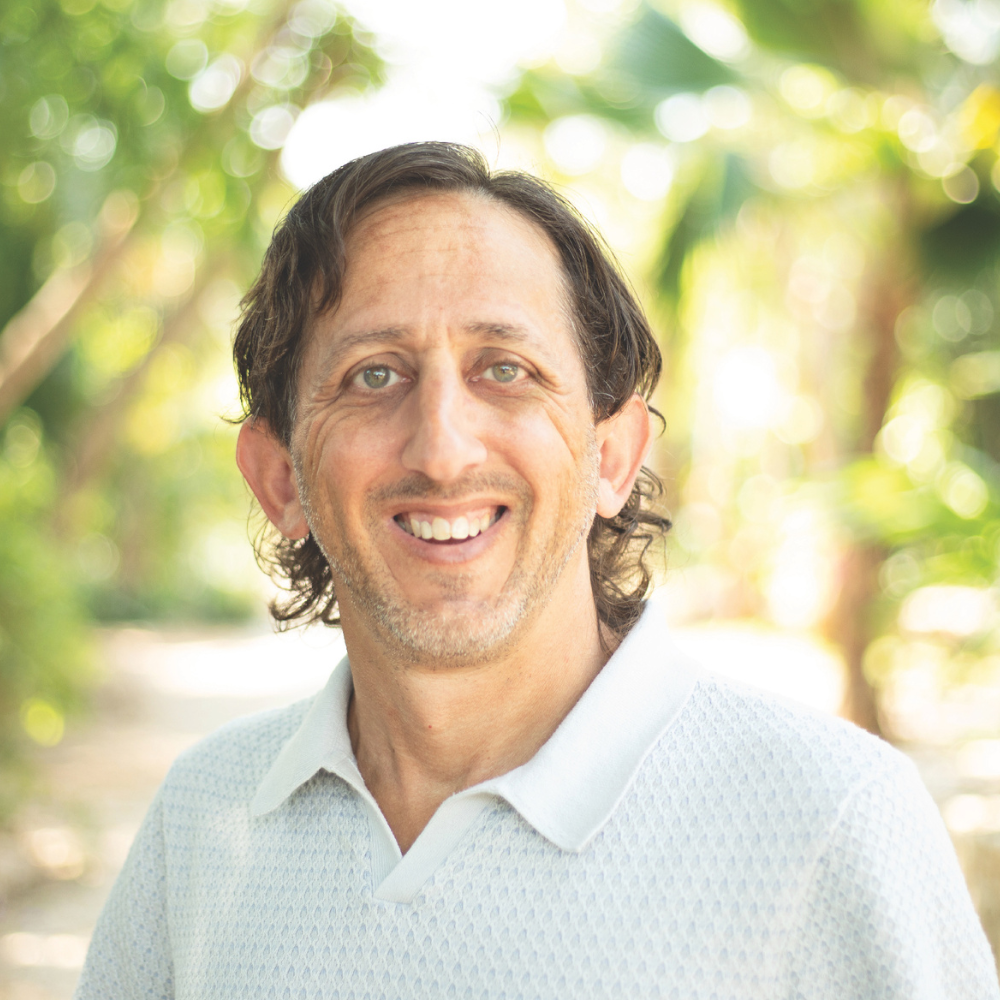
Head of Communications and General Counsel - Charter Cities Institute
Michael Holstein has run communications in the entertainment, non-profit, and corporate space for nearly 20 years. After starting his career in film marketing and writing for HBO's The Wire, Michael earned his law degree and oversaw business affairs for WETA-TV in Washington, DC. Later, as Chief Content Officer for The Content Farm, Michael developed, curated, directed, and produced award-winning original content for cable, digital, linear TV, and social media platforms, also overseeing all communications for shows, corporate clients, and campaigns. He then turned his attention to the non-profit world, serving as Chief Communications and Marketing Officer for America SCORES, and providing communication consulting services and content creation for several other non-profit organizations.
Michael was a double major in communications and English at The University of Miami, received his law degree cum laude from Catholic University, and taught The Business of Entertainment at UCLA. Michael is a member of the Producer's Guild of America, the Grammys, and the National Academy of Television Arts & Sciences
Philanthropy is no longer just about charity"”it's about investing in systems that scale human potential. Hospitality is more than just restaurants and hotels. And entertainment is everywhere "“ from our phones to stadiums. As geopolitical uncertainty and economic turbulence challenge the resilience of cities, a new wave of philanthropists, hospitality businesses, and entertainment entities are deploying capital to create jobs, revitalize blighted regions, and catalyze innovation and economic opportunity. This session brings together social entrepreneurs and entertainment and hospitality executives to explore how their work can enable long-term, systemic change. What models are working? Where are the gaps? And how can private capital align with public goals to truly drive inclusive urban prosperity?